Technical people write some of the best posts on LinkedIn. They also hide the best line in paragraph four.
On LinkedIn, readers see about two lines before the “see more” button. If those two lines don’t give them a reason to continue, the rest of the post doesn’t matter, however good it is.
That opening is the hook. For technical content, a good hook does one thing: it shows the reader a problem or a tension before it shows them the details.
Here are seven that work, each with an example you can adapt.
Hook 1, the near miss
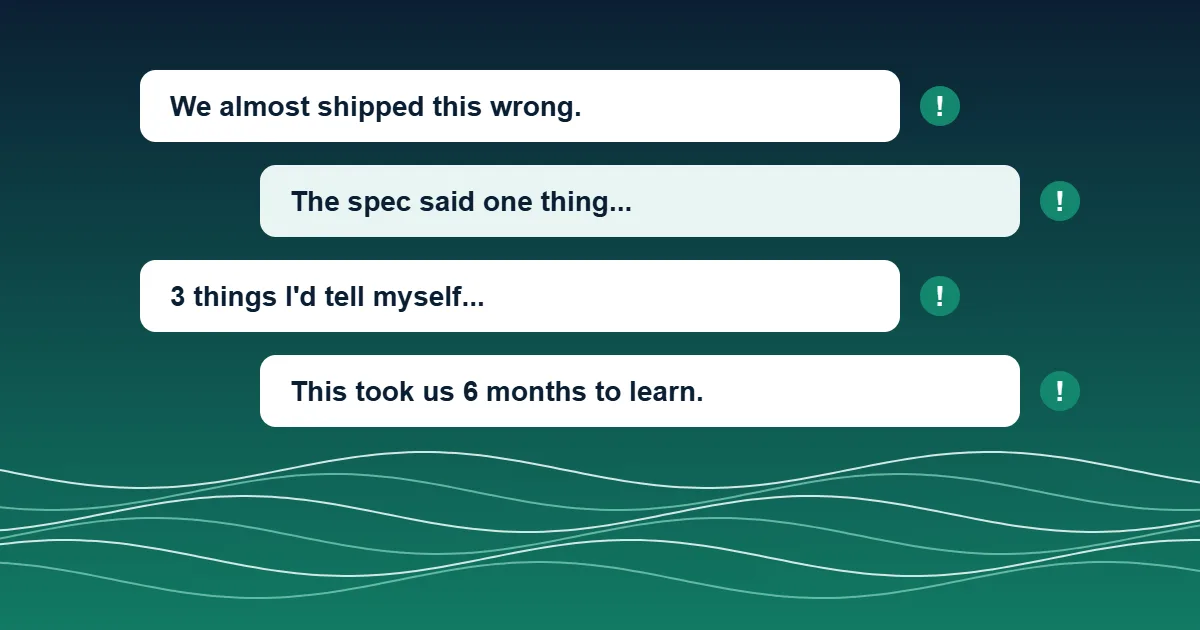
“We almost shipped this wrong. Here’s what caught it.”
People trust companies that show how they catch mistakes. This works well for quality, testing and safety topics.
Hook 2, the gap between spec and need
“The spec said one thing. The customer needed another.”
Every buyer has lived this. It shows you listen beyond the requirements document.
Hook 3, the lesson in hindsight
“3 things I’d tell myself before our first rollout.”
Specific numbers and a personal angle make an ordinary lessons post feel useful.
Hook 4, the trend brought down to earth
“Everyone is talking about AI in manufacturing. Here’s what it looks like on our factory floor.”
Take a topic everyone discusses in general terms and show the real version. Technical companies are the only ones who can write this.
Hook 5, time compressed
“This took us 6 months to learn. It will take you 60 seconds to read.”
It promises a clear return on the reader’s time, which is what busy buyers want.
Hook 6, the customer question
“A customer asked us this last week, and the answer surprised them.”
Real questions from real customers are the easiest content to find. If one buyer asked, others are wondering the same thing.
Hook 7, the common mistake
“Most teams get this step wrong, and it costs them weeks.”
Naming a mistake your buyers might be making right now earns attention, as long as you explain the fix.
How to use them
- First, write the post the way you normally would.
- Second, find the most interesting sentence in it. It is usually somewhere in the middle.
- Third, move that sentence to the top and shape it like one of the seven hooks above.
One rule holds for all of them: the hook has to be true. If the post doesn’t deliver what the first line promises, readers remember, and they stop clicking.
Hooks work best inside a system. Read the 4 part LinkedIn system for technical B2B companies to see where they fit.
Want posts like these written for you?
Tidea Marketing writes LinkedIn content for technical B2B companies and their founders. See our LinkedIn content management service, get a free LinkedIn audit, or book a free strategy call.